Why Artificial Turf Stands up to Heavy Use
Artificial turf has become a popular choice in high-traffic areas due to its impressive durability. It’s engineered to withstand the wear and tear that comes with frequent use, making it ideal for sports fields, playgrounds, and commercial spaces. This synthetic grass offers resilience where traditional grass falls short, providing an aesthetically pleasing surface that requires less maintenance. By understanding how artificial turf holds up under heavy foot traffic and various weather conditions, you can make an informed decision about integrating it into your space.
Benefits of Using Artificial Turf
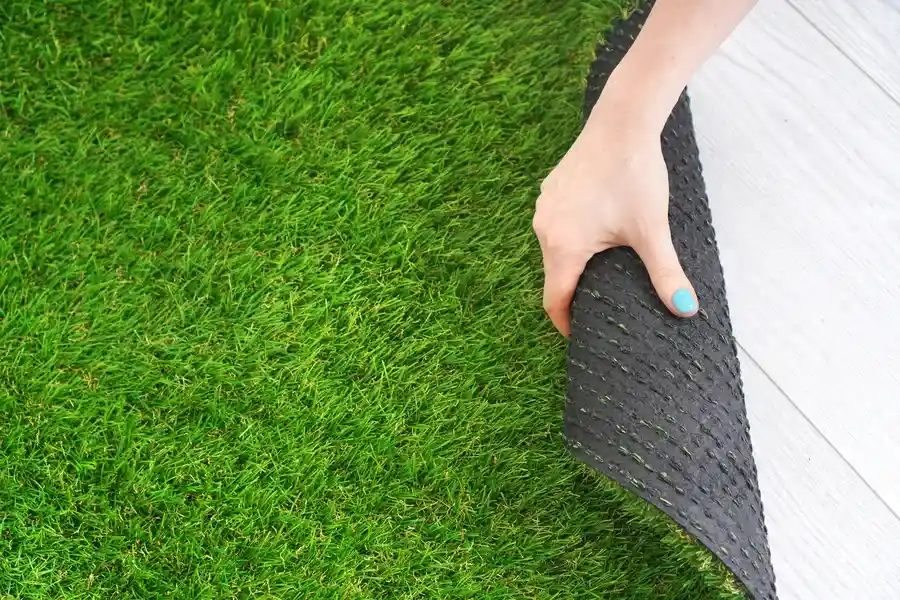
There are numerous advantages to using artificial turf. It stands out primarily for its minimal upkeep compared to natural grass. You won’t need to worry about mowing or watering it regularly. Additionally, artificial turf is designed to handle heavy foot traffic without showing signs of wear. It remains lush and green year-round, providing a consistently attractive appearance. For areas with extreme weather, artificial turf retains its structure and color, unlike natural grass which may struggle to survive.
Common Challenges With Natural Grass
Natural grass often faces challenges in high-traffic areas. Over time, constant footfall can lead to bald patches and soil compaction. These issues not only affect the aesthetics but also the safety of the surface, especially in sports fields where uneven ground can cause injuries. Furthermore, maintaining natural grass in such conditions demands frequent watering, fertilizing, and mowing, all of which increase both costs and environmental impacts.
Solutions Through Advanced Design
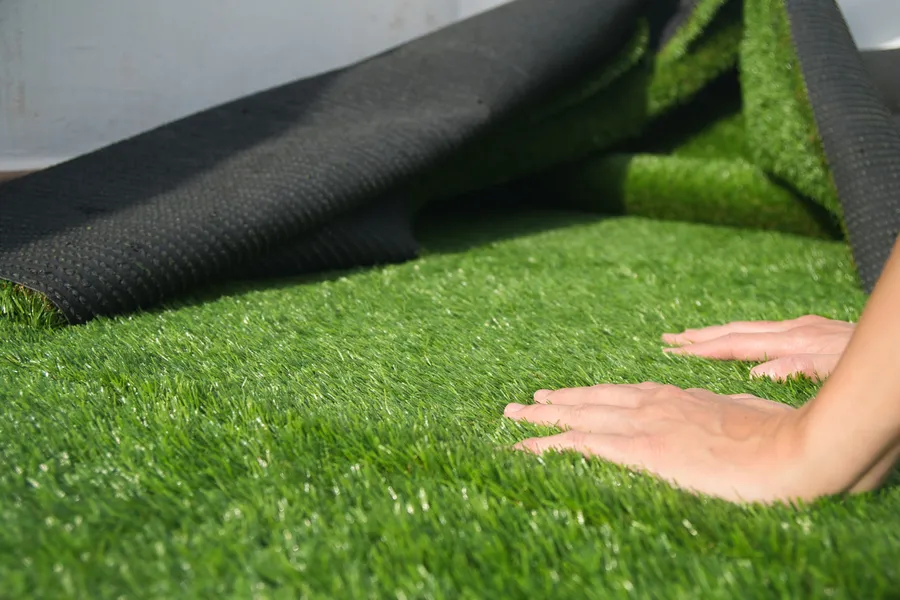
Modern artificial turf systems incorporate advanced technology to tackle these challenges effectively. The materials used are UV-resistant, ensuring long-lasting color even under direct sunlight. The backing systems are robust, providing excellent drainage to prevent waterlogging. When considering artificial turf installation, choose options with reinforced blades that mimic natural grass blades in appearance and feel while offering superior durability.
Best Practices for Maintaining Synthetic Grass
Although low-maintenance, synthetic grass does benefit from routine care to maintain its appeal and functionality. Here are some best practices:
- Regularly remove debris like leaves and sticks.
- Brush the grass fibers periodically to keep them upright.
- Rinse the turf occasionally with water to clear dust and pollen.
- Conduct periodic inspections for any damage or wear.
Cost Considerations of Artificial Turf Installation
The initial investment for artificial turf might be higher than seeding a lawn with natural grass. However, when you factor in the reduced maintenance costs over time-such as no need for watering, fertilizers, or mowing-the overall expense becomes more manageable. When planning your artificial turf installation, consider the long-term savings on care and potential increases in property value due to the enhanced aesthetic.
Final Thoughts on Investing in Durable Turf Solutions
If you’re looking to enhance your outdoor spaces with durable and visually appealing surfaces, artificial turf is an excellent option. Its ability to withstand heavy use while maintaining a lush look makes it a favored choice for many applications. For those in Temecula, CA seeking reliable solutions, Corteza Landscaping offers expert guidance on choosing and installing the right type of synthetic grass. Contact us at (951) 210-7636 to learn more about how our products can meet your needs.